Few wildlife encounters compare to coming face to face with an American alligator in its natural habitat. Louisiana is home to one of the largest alligator populations in the entire United States, and the wetlands surrounding New Orleans offer some of the most accessible and thrilling opportunities to witness these ancient reptiles up close. Whether you are a first-time visitor or a returning traveler, understanding a little about alligator behavior, biology, and habitat will make your swamp tour experience far more rewarding and memorable.
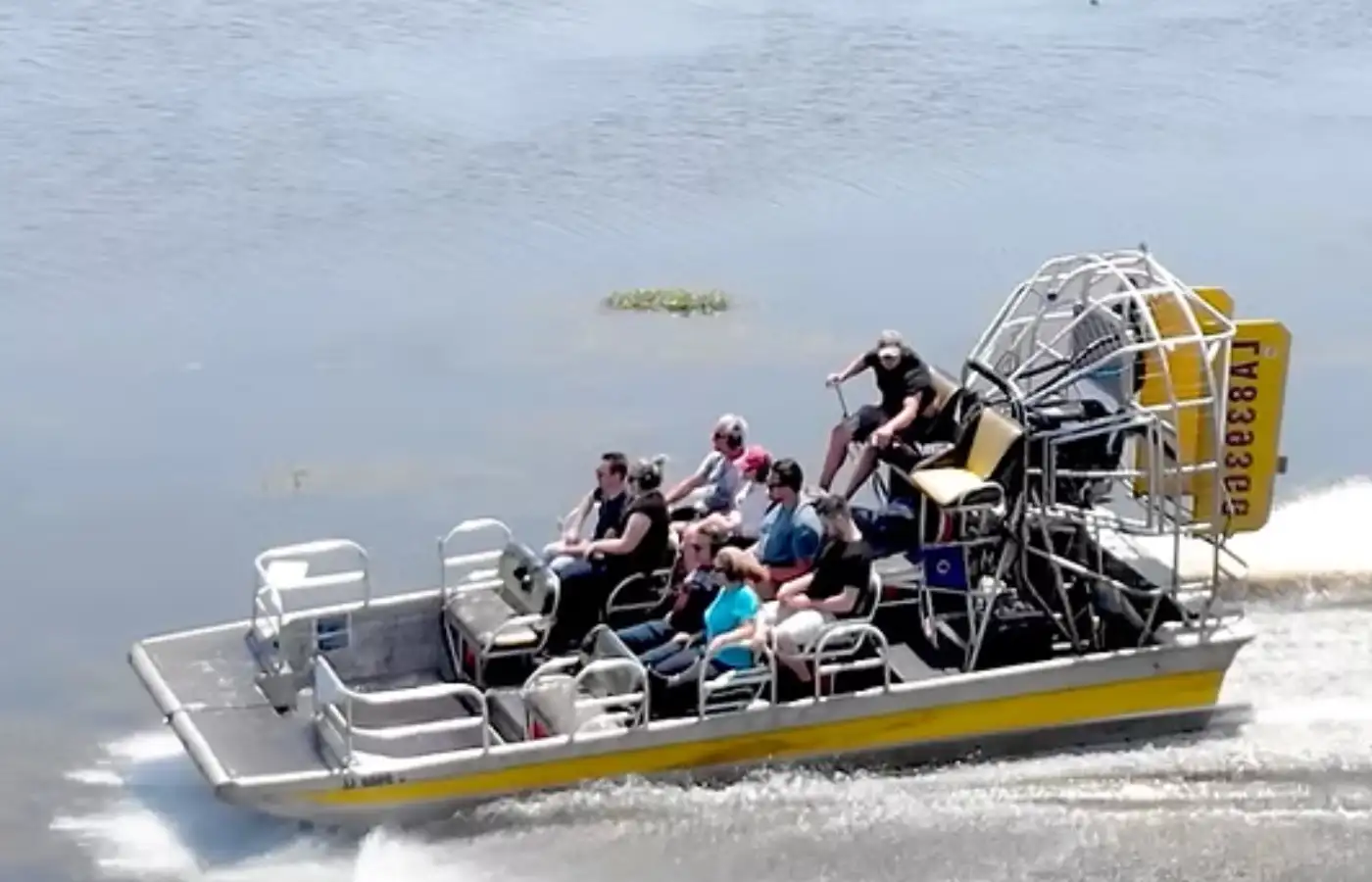
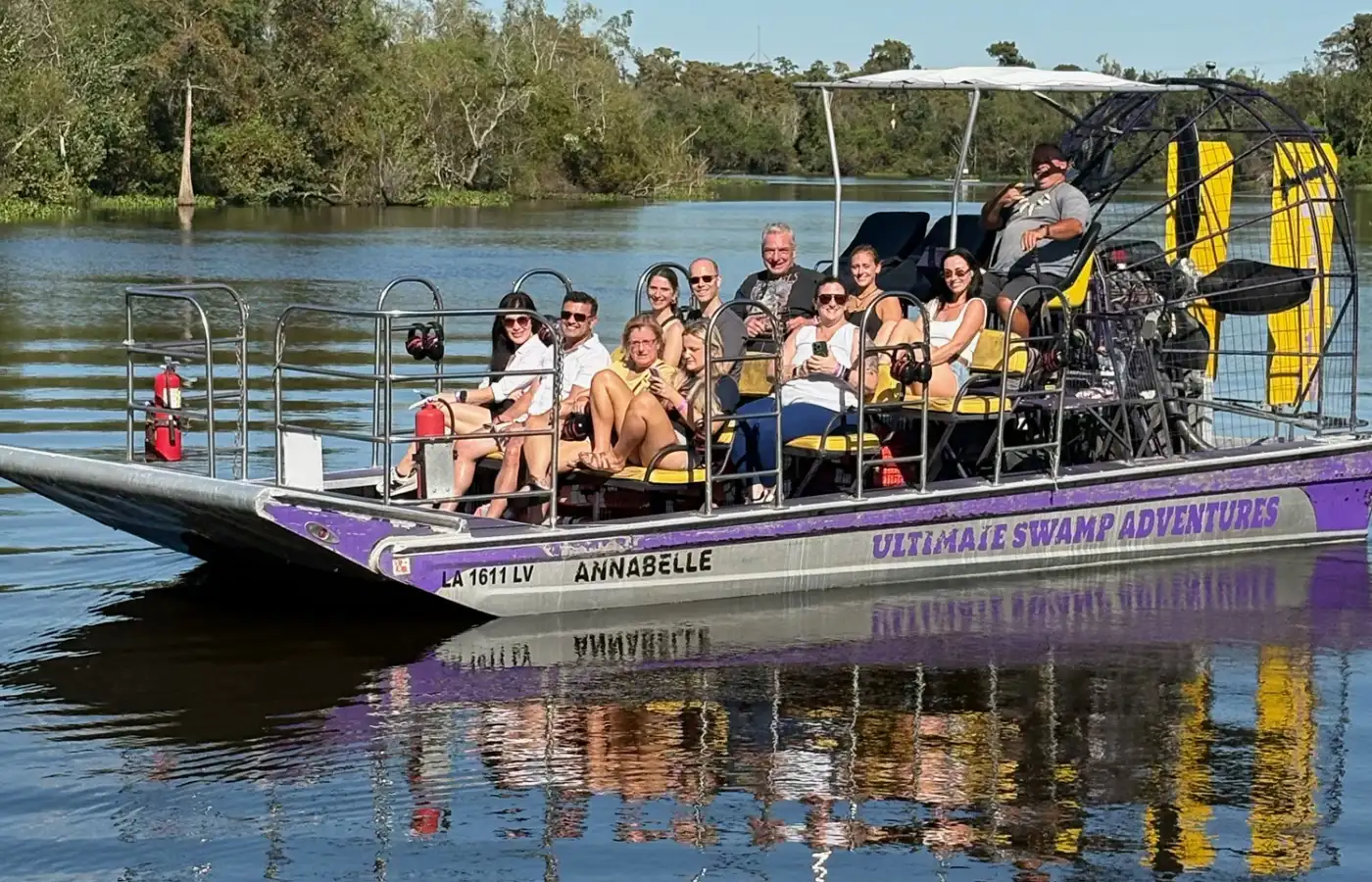
At Ultimate Swamp Adventures, we take guests out onto Bayou Segnette in Westwego, Louisiana — just 15 minutes from downtown New Orleans — where wild alligators, stunning cypress forests, and abundant birdlife create a truly unforgettable encounter with the Louisiana wilderness. Before you step aboard the boat, here are the essential alligator facts every swamp tour visitor should know.
Louisiana's wetlands are a living ecosystem shaped by millions of years of evolution, and the American alligator sits at the very top of that food chain. Learning what makes these creatures so remarkable will give you a deeper appreciation for every moment you spend gliding through the bayou.
The American Alligator: An Ancient Survivor
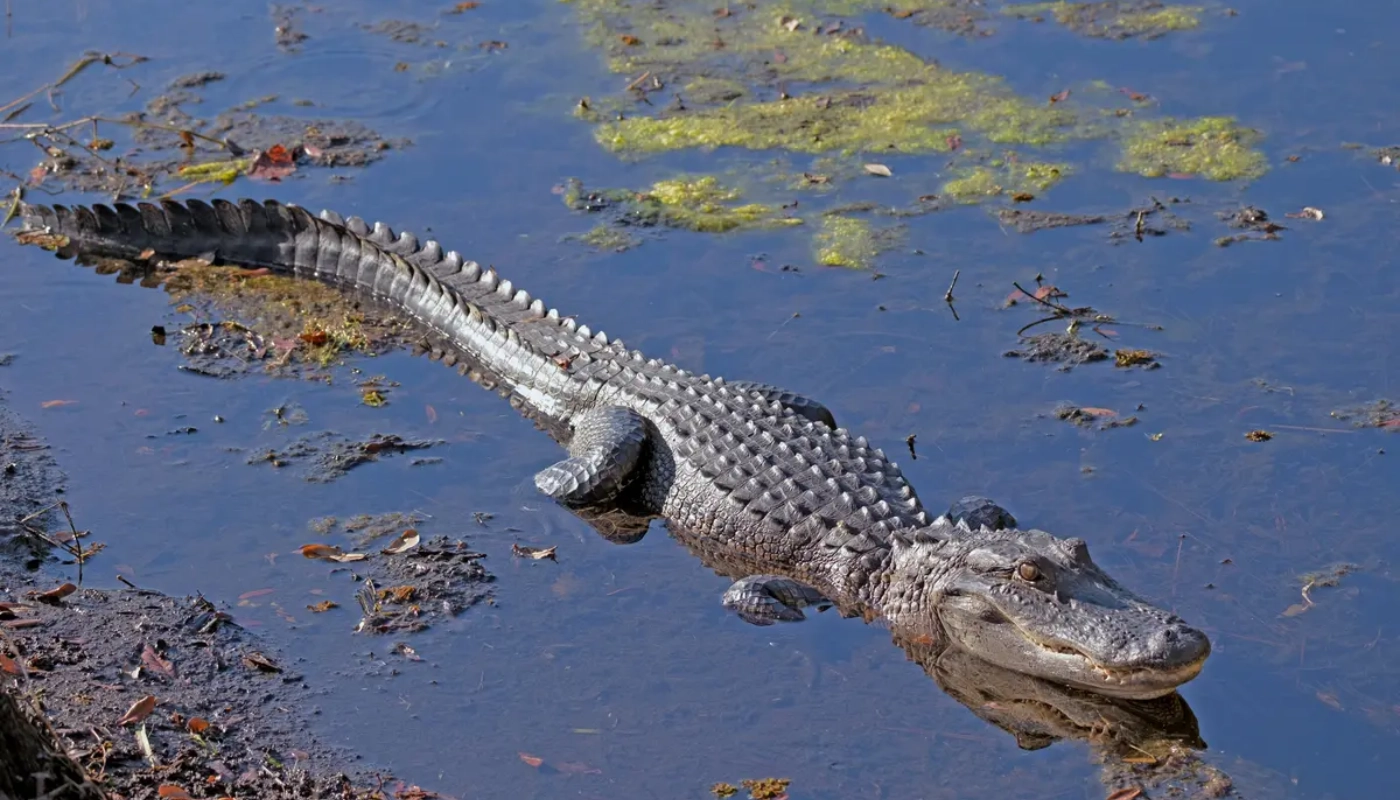
The American alligator (Alligator mississippiensis) is often called a living fossil, and for good reason. These reptiles have existed in a form nearly identical to what we see today for over 150 million years, outlasting dinosaurs and surviving mass extinction events. They are a true testament to evolutionary success, perfectly engineered for life in the freshwater swamps, marshes, and bayous of the American South.
Louisiana is home to an estimated 2 million wild alligators, making it one of the most alligator-dense states in the country. The warm, shallow, nutrient-rich waters of the Westwego wetlands and Bayou Segnette provide exactly the environment these reptiles thrive in — sheltered waterways lined with bald cypress trees, abundant prey, and warm temperatures for much of the year.
Size and Physical Features
Adult male alligators in Louisiana can grow to impressive sizes, and knowing what to look for will sharpen your eye on the water. Here are some key physical facts about American alligators:
- Adult males typically measure between 10 and 14 feet in length and can weigh over 500 pounds
- Adult females are generally smaller, ranging from 8 to 10 feet
- Alligators have a broad, rounded snout — a key feature that distinguishes them from crocodiles
- Their eyes and nostrils are positioned on top of their head, allowing them to remain nearly submerged while still breathing and watching
- Their thick, armored skin is covered in bony plates called osteoderms, which act as natural body armor
Alligator Behavior: What to Expect on the Bayou
Understanding how alligators behave in the wild helps visitors know what to watch for and how to interpret what they are seeing. Alligators are not mindless predators — they are highly intelligent, socially complex animals with fascinating behavioral patterns that play a critical role in the swamp ecosystem.
Seasonal Behavior Patterns
Alligator activity in Louisiana varies significantly depending on the time of year, and timing your visit can influence the type of behavior you observe on the water.
- Spring (March–May): Alligators emerge from their winter slowdown and become increasingly active. Males begin vocalizing and displaying to attract mates.
- Summer (June–August): Peak activity season. This is mating season, nesting season, and the best time to spot multiple alligators basking and feeding along the bayou banks.
- Fall (September–November): Alligators feed heavily to build fat reserves before cooler weather. Sightings remain frequent and rewarding.
- Winter (December–February): Alligators enter a period called brumation — a cold-weather slowdown similar to hibernation. They become less active but can still be spotted on warm, sunny days.
Feeding and Diet
Alligators are opportunistic carnivores, meaning they eat whatever prey is available and accessible in their environment. On Bayou Segnette, that menu includes fish, turtles, birds, and small mammals that venture too close to the water's edge. Younger alligators feed primarily on insects, small fish, and amphibians, gradually moving to larger prey as they grow. This varied diet makes them a keystone species — their feeding habits help regulate prey populations and maintain the overall health of the wetland ecosystem.
The Role of Alligators in the Louisiana Wetland Ecosystem
Alligators are far more than just the star attraction on a swamp tour — they are essential engineers of the wetland environment. Their importance to the Louisiana bayou cannot be overstated, and appreciating their ecological role adds a whole new dimension to your time on the water.
One of the alligator's most important ecological contributions is the creation of "gator holes." These are depressions dug out by alligators in the marsh floor that retain water during dry periods. These water-filled holes become critical refuges for fish, amphibians, turtles, and wading birds like the great blue herons you will see throughout Bayou Segnette. In this way, the alligator acts as a caretaker for hundreds of other species that share its habitat. To learn more about the incredible wildlife and environment our tours explore, visit our about page for a full overview of what makes Bayou Segnette so special.
Alligator Conservation: From Near Extinction to Recovery
One of the most remarkable conservation stories in American wildlife history belongs to the American alligator. By the mid-20th century, unregulated hunting for alligator hides had pushed the species to the brink of extinction across Louisiana and the broader Gulf South. In 1967, the American alligator was listed as an endangered species, triggering protections that allowed populations to recover dramatically.
Today, the American alligator is considered a conservation success story and is listed as "Least Concern" on the IUCN Red List. Louisiana manages a sustainable alligator program that carefully balances wildlife conservation with limited, regulated harvesting. This recovery is a living example of what responsible wildlife management can achieve — and every alligator you spot on Bayou Segnette is a symbol of that hard-won success.
Tips for Getting the Most Out of Your Alligator Encounter
A little preparation goes a long way toward making your New Orleans swamp tour experience as rich and rewarding as possible. These practical tips will help you spot more wildlife and stay safe on the bayou.
- Book a morning tour: Alligators are most active in the early morning and late afternoon when temperatures are moderate
- Wear neutral or earth-toned clothing: Bright colors can startle wildlife and reduce sighting opportunities
- Bring binoculars: Many alligators float motionlessly near the bank — binoculars help you spot them before the boat gets close
- Keep your hands inside the boat: Always follow your guide's instructions and respect the wildlife at all times
- Bring a camera with a zoom lens: You will want to capture every incredible moment without disturbing the animals
- Ask your guide questions: Our experienced naturalist guides love sharing their knowledge — every question leads to a richer experience
Ready to plan your visit? Contact our team to check availability, ask about group bookings, or get answers to any questions before your tour day.
Frequently Asked Questions About American Alligators in Louisiana
Our guests arrive full of curiosity about the alligators they are about to meet. Here are answers to the questions we hear most often on tour.
Are American alligators dangerous to swamp tour visitors?
Wild alligators are powerful animals that deserve respect, but unprovoked attacks on humans are extremely rare. On a guided swamp tour, you are always in a boat with an experienced guide who knows how to navigate the bayou safely. As long as guests follow the guide's instructions and do not attempt to feed or touch the alligators, tours are conducted safely every single day.
What is the best time of year to see alligators on Bayou Segnette?
Summer is peak alligator season on Bayou Segnette, with the highest activity levels and the best chance of spotting multiple animals in a single outing. That said, alligator sightings are common year-round in Louisiana's mild climate, and even winter tours frequently produce memorable encounters on warm, sunny days.
How large do alligators in Louisiana get?
Louisiana is home to some of the largest wild alligators in North America. Adult males commonly reach 10 to 14 feet in length, and exceptionally large individuals have been documented exceeding 14 feet and 800 pounds. The warm climate and abundant food sources in Louisiana's wetlands contribute to impressive growth rates.
Do alligators move fast on land?
Alligators can sprint short distances on land at speeds of up to 11 miles per hour, but they tire quickly and rarely travel far from water. They are far more agile and powerful in the water, where they use their muscular tails for propulsion. In the wild, alligators typically move on land only to bask in the sun or to move between water bodies.
Can you feed alligators on the tour?
Feeding wild alligators is actually illegal in Louisiana because it causes them to lose their natural wariness of humans, which creates dangerous situations for both the animals and people. Our guides at Ultimate Swamp Adventures follow all state wildlife regulations to ensure the long-term health of the alligator population on Bayou Segnette.
How do alligators survive winter in Louisiana?
Unlike true hibernation, alligators enter a state called brumation during cold weather — a metabolic slowdown where they become largely inactive and stop feeding. Louisiana's mild winters mean this period is usually brief, and alligators can often be seen basking on sunny winter days when temperatures rise enough to warm their bodies.
How do I book a swamp tour with Ultimate Swamp Adventures?
Booking your alligator encounter on Bayou Segnette is easy. Simply visit Ultimate Swamp Adventures to view tour times, pricing, and availability. We are located just 15 minutes from New Orleans in Westwego, Louisiana, making us one of the most convenient and authentic swamp tour experiences in the entire region. Do not wait — spots fill up fast, especially during peak season.