If you're planning a swamp tour near New Orleans, you've probably heard the word "bayou" dozens of times already — but what exactly is it? A bayou is a slow-moving, marshy body of water typically found in low-lying coastal regions. Louisiana is home to one of the most expansive bayou systems in North America, and understanding this unique ecosystem before you climb aboard a tour boat will make your experience richer, more exciting, and far more memorable. These aren't just muddy ditches — they're living, breathing worlds teeming with ancient wildlife and stunning natural beauty.
Louisiana's wetlands cover millions of acres and serve as a critical habitat for hundreds of species of birds, reptiles, fish, and mammals. The state's bayous are shaped by centuries of Mississippi River flooding, sediment deposits, and tidal influence from the Gulf of Mexico, creating a patchwork of water, cypress forest, and marsh grass unlike anything else on Earth. Whether you're visiting New Orleans for the first time or returning for another adventure, exploring a Louisiana bayou is an experience that stays with you long after you leave.
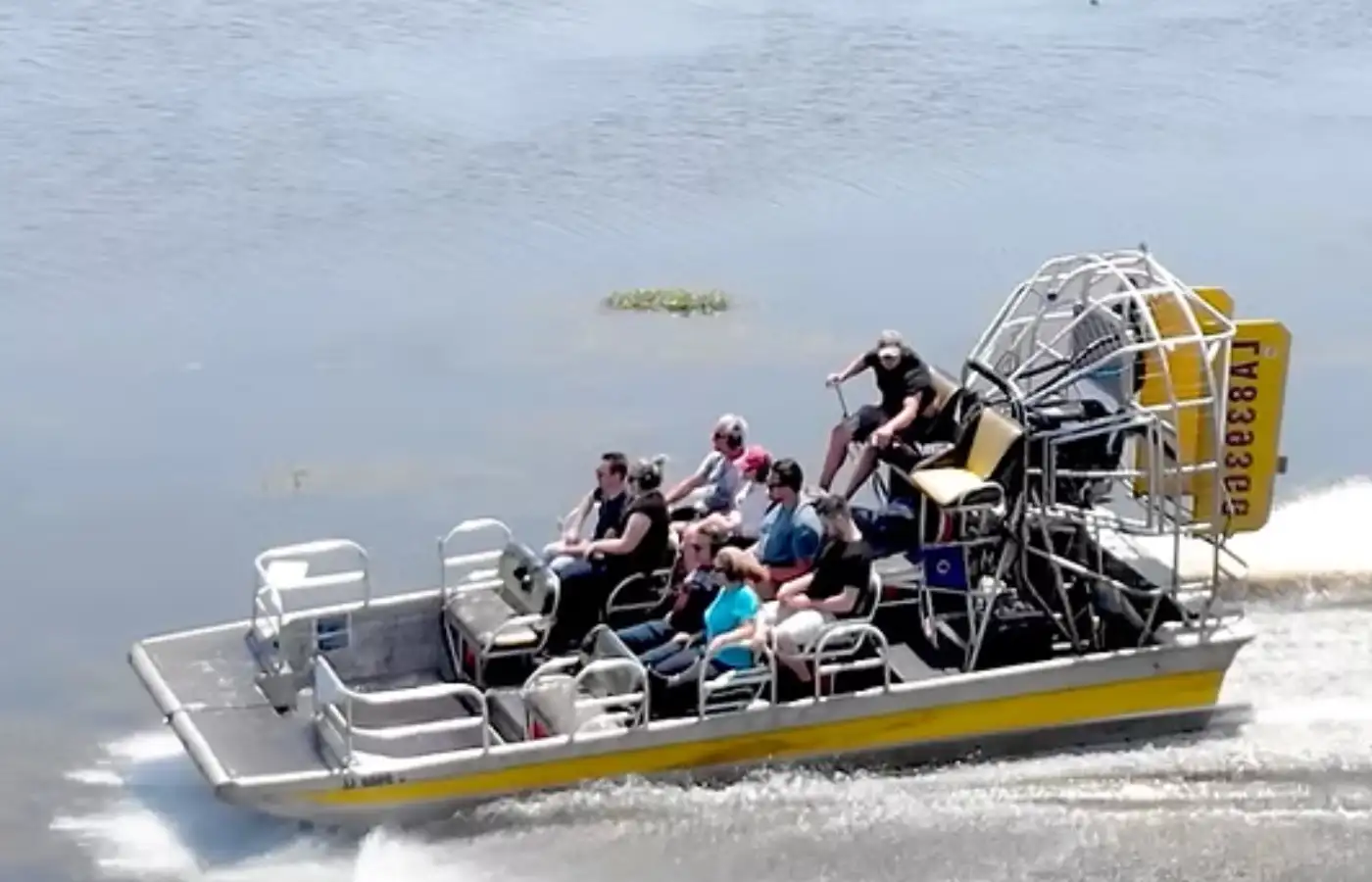
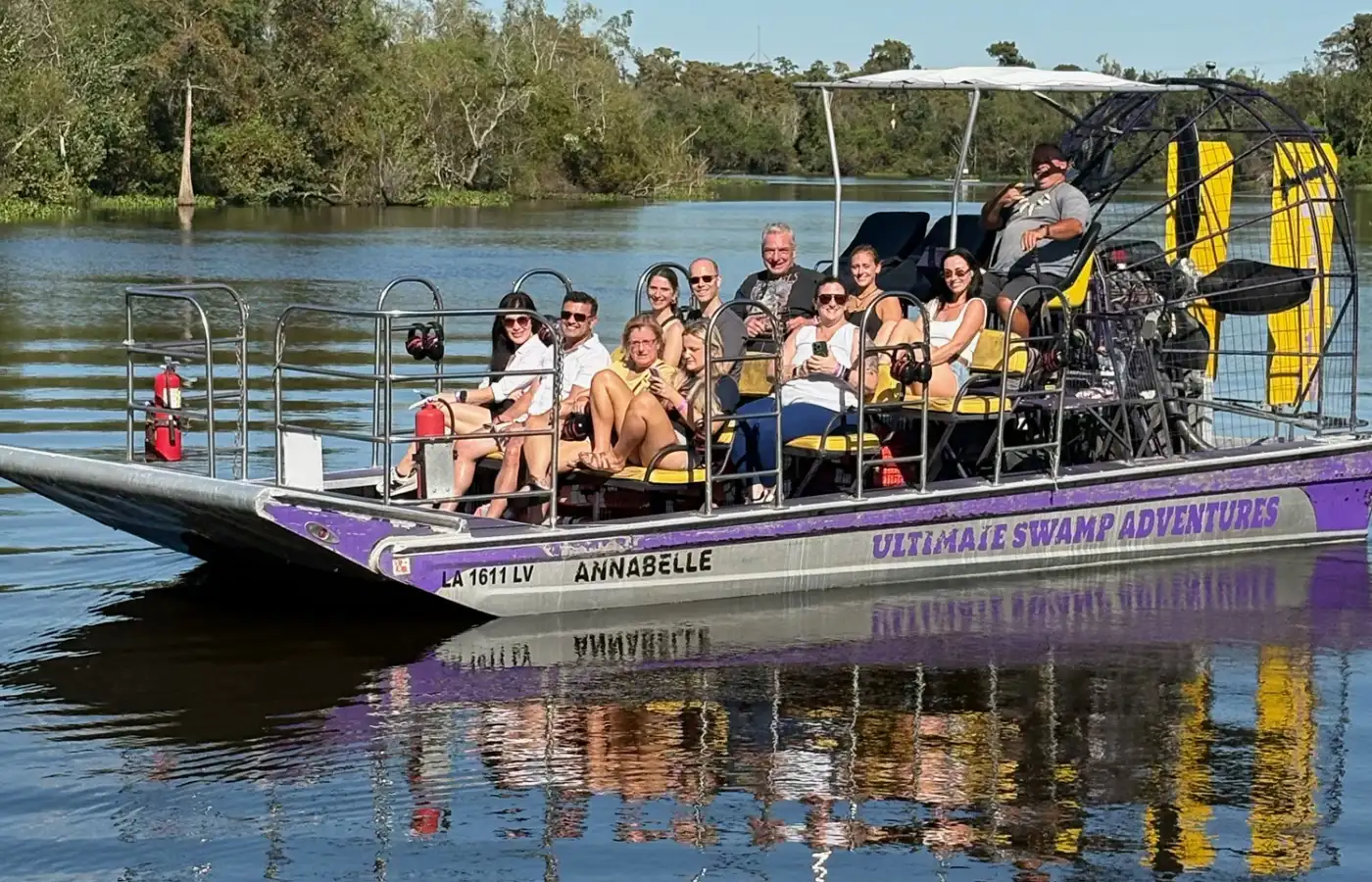
At Ultimate Swamp Adventures, we take guests directly into this remarkable ecosystem aboard our tour boats on Bayou Segnette in Westwego, Louisiana — just 15 minutes from downtown New Orleans. Before you join us, here's everything you need to know about what makes Louisiana's bayou environment so extraordinary.
What Exactly Is a Bayou?
The word "bayou" comes from the Choctaw word bayuk, meaning small stream. In practice, a bayou is a slow-moving or nearly still body of water connected to a larger lake, river, or wetland system. Unlike rivers that flow with clear direction and speed, bayous meander gently through flat terrain, often appearing almost motionless on the surface — while quietly supporting an entire underground food web beneath.
Bayous can be brackish (a mix of salt and fresh water) or entirely freshwater depending on their proximity to the Gulf of Mexico. This variety in water chemistry creates diverse micro-habitats within the same general region, which is one reason Louisiana's wetlands support such an extraordinary range of species. The ecosystem is layered — from the submerged roots of cypress trees to the canopy overhead — and every layer plays a role.
How Bayous Differ from Swamps and Marshes
These terms are often used interchangeably, but they each describe slightly different environments. Understanding the distinction helps you appreciate what you'll see on your tour.
- Bayou: A slow-moving or still waterway, usually connected to a river or lake system
- Swamp: A forested wetland dominated by trees like bald cypress and tupelo, with standing water on the forest floor
- Marsh: An open, grassy wetland with little to no tree cover, often closer to the coast
On Bayou Segnette, you'll encounter elements of all three — open water channels, dense cypress forest, and grassy marsh edges — making it one of the most diverse and visually stunning wetland destinations in the entire New Orleans region.
The Wildlife You'll Encounter on a Louisiana Bayou
Nothing prepares first-time visitors for the sheer density of wildlife living in a Louisiana bayou. From the moment your boat leaves the dock, you're entering a habitat that has supported life for thousands of years. The wildlife here isn't hidden — it's everywhere, and it's spectacular.
American Alligators
The undisputed star of any Louisiana swamp tour is the American alligator. Louisiana is home to one of the largest alligator populations in the United States, and Bayou Segnette provides ideal habitat — warm, slow-moving water with plenty of cover and prey. Alligators are most active during warmer months but can be spotted year-round basking on logs and banks.
- Adult alligators can reach 10–14 feet in length
- They are cold-blooded and rely on external heat to regulate body temperature
- Alligators play a crucial role in the wetland ecosystem by creating "gator holes" that other species depend on during dry periods
Birds of the Bayou
Louisiana's wetlands are a birdwatcher's paradise, and Bayou Segnette is no exception. The combination of open water, cypress forest, and marsh grass creates ideal nesting and feeding conditions for dozens of species.
- Great Blue Herons — tall, patient hunters standing motionless in the shallows
- Snowy and Great Egrets — brilliant white birds that nest in cypress colonies
- Roseate Spoonbills — flamingo-pink wading birds with distinctive spoon-shaped bills
- Ospreys, red-tailed hawks, and various owl species in the tree canopy
- Anhingas, cormorants, and wood ducks along the waterways
Other Resident Species
Beyond alligators and birds, Bayou Segnette hosts a remarkable cast of supporting wildlife that surprises most visitors.
- Nutria — large semi-aquatic rodents introduced from South America, now widespread in Louisiana wetlands
- Snapping turtles and river cooters sunning on logs
- Cottonmouth (water moccasin) snakes in the vegetation
- Raccoons, river otters, and white-tailed deer near the water's edge
- Garfish, bass, and catfish visible in the clear shallows
The Role of Cypress Trees in the Bayou Ecosystem
No plant defines the Louisiana bayou more than the bald cypress tree. These ancient, towering trees rise directly from the water's surface, their distinctive "knees" — woody projections from the root system — jutting up through the waterline. Scientists believe the knees help anchor the trees in soft, saturated soil and may assist with oxygen exchange in anaerobic (low-oxygen) conditions.
Cypress trees provide critical habitat for nesting birds, shelter for juvenile alligators, and anchor points for Spanish moss — that iconic gray draping that gives Louisiana swamps their moody, cinematic atmosphere. Some cypress trees in Louisiana are estimated to be over 1,000 years old, which means the trees you'll glide past on Bayou Segnette were alive long before European exploration of North America. That sense of ancient permanence is part of what makes a swamp tour feel like traveling back in time.
Why Louisiana's Wetlands Matter — and Why They're Disappearing
Louisiana's coastal wetlands are among the most ecologically productive environments on the planet, but they face serious threats. The state loses a significant amount of wetland every year due to a combination of factors including subsidence, saltwater intrusion, canal dredging, and the effects of climate change on storm intensity and sea level rise.
These wetlands serve as natural storm buffers, protecting communities like New Orleans from the full force of Gulf hurricanes. They also filter water, sequester carbon, support commercial fisheries, and provide habitat for migratory birds traveling along the Mississippi Flyway. When you learn more about Ultimate Swamp Adventures and our mission, you'll see that responsible ecotourism plays a role in raising awareness about these critical ecosystems and supporting their long-term preservation.
What to Expect on Your Bayou Segnette Swamp Tour
Bayou Segnette sits in Westwego, Louisiana, on the west bank of the New Orleans metro area — close enough to the city to reach in minutes, yet deep enough into the wetlands to feel completely immersed in wilderness. Our tour boats navigate through cypress-lined channels and open marsh water, giving guests a 360-degree view of the ecosystem in action.
Here's what most guests can expect on a typical tour:
- Departure from the dock — Our experienced guides introduce the ecosystem as you pull away from the launch
- Open water crossing — A broad view of the bayou and surrounding marsh landscape
- Cypress forest channels — Narrow passages through ancient trees draped in Spanish moss
- Wildlife encounters — Alligator sightings, bird activity, and other species along the route
- Guide narration — Natural history, local folklore, and Louisiana ecosystem education throughout
- Return to dock — With photographs, memories, and a whole new appreciation for Louisiana's wild places
Ready to plan your visit? Contact Ultimate Swamp Adventures to check availability, ask questions about what to bring, or book your tour today.
Frequently Asked Questions About Louisiana Bayous
A bayou is a slow-moving or still waterway — essentially a channel or small body of water — while a swamp is a forested wetland with standing water on the ground. In Louisiana, bayous often run through swampy areas, so you'll typically experience both at once on a tour like ours on Bayou Segnette.
Bayous are safe to visit when you're with an experienced guide on a proper tour boat. The wildlife — including alligators and venomous snakes — is wild and should never be approached or fed outside of a guided setting. Our captains at Ultimate Swamp Adventures are trained professionals who know the waterways and the animals intimately, ensuring a safe and exciting experience for every guest.
Louisiana bayous are worth visiting year-round, but late spring through early fall offers the most wildlife activity, particularly for alligator sightings. Migratory bird species make fall and winter an exceptional time for birdwatching. Louisiana's mild winters mean the bayou never truly goes quiet, and each season brings something different to discover.
Spanish moss is not actually a moss — it's an air plant (epiphyte) in the bromeliad family, related to the pineapple. It absorbs water and nutrients directly from the humid bayou air rather than from the tree it drapes. It causes no harm to its host tree and is a signature feature of the Deep South landscape, giving Louisiana's swamps their distinctive, hauntingly beautiful appearance.
Booking is simple. Visit the Ultimate Swamp Adventures contact page to reach our team directly. We're located just 15 minutes from downtown New Orleans on Bayou Segnette in Westwego, Louisiana, making us one of the most convenient and authentic swamp tour options in the entire region. Whether you're traveling solo, with family, or as part of a group, we have options to fit your visit.